



Tips for Creating a Productive Home Office Space
Creating a dedicated home office space that encourages productivity can make a significant difference in your work-from-home experience. Whether you’re new to remote work or looking to improve your current setup, organizing a workspace designed for focus and comfort is essential. In this post, we’ll explore practical tips to help you design a home office that supports productivity and well-being.
Why a Dedicated Home Office Matters
Having a designated space for work helps separate professional tasks from personal life. This physical distinction can improve focus, reduce distractions, and create a healthy routine. Even if you don’t have a separate room, carving out an area specifically for work can set the tone for your day.
Choosing the Right Location
Consider Natural Light
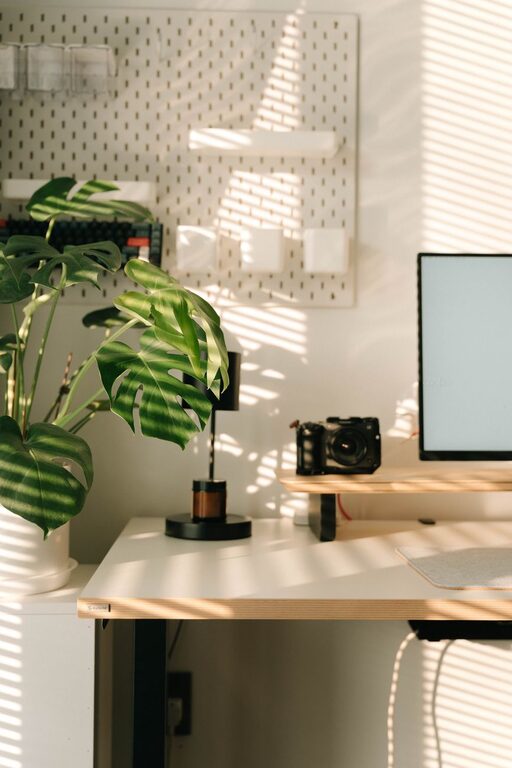
Pick a spot with plenty of natural light if possible. Sunlight boosts mood and energy levels, which are key for productivity. Avoid placing your desk directly facing a window if glare on your computer screen will be an issue—side lighting often works best.
Minimize Distractions
Find a quiet area away from household noise like TV, kitchen activity, or high-traffic zones. If space is limited, noise-cancelling headphones can help create a focused environment.
Think About Privacy
If your work requires calls or video meetings, choose a location where you can have privacy and won’t be interrupted.
Setting Up Your Workspace
Invest in a Comfortable Chair
A good chair supports your posture and reduces back strain during long work hours. Look for adjustable features like height, lumbar support, and armrests.
Choose the Right Desk
Select a desk that fits your space and work style. Some people prefer large desks for spreading out papers, while others like compact desks for minimalism. Standing desks are also an option if you want to alternate between sitting and standing.
Organize Your Equipment
Place your computer, keyboard, mouse, and other essential tools within easy reach. This reduces the need to stretch or strain.
Optimize Lighting and Ambiance
Use Task Lighting
In addition to natural light, use a desk lamp with adjustable brightness to avoid eye strain. Position the light to reduce shadows on your work surface.
Control Room Temperature
Keep the room at a comfortable temperature to maintain focus. A fan, heater, or adjustable thermostat can help depending on your climate.
Add Personal Touches
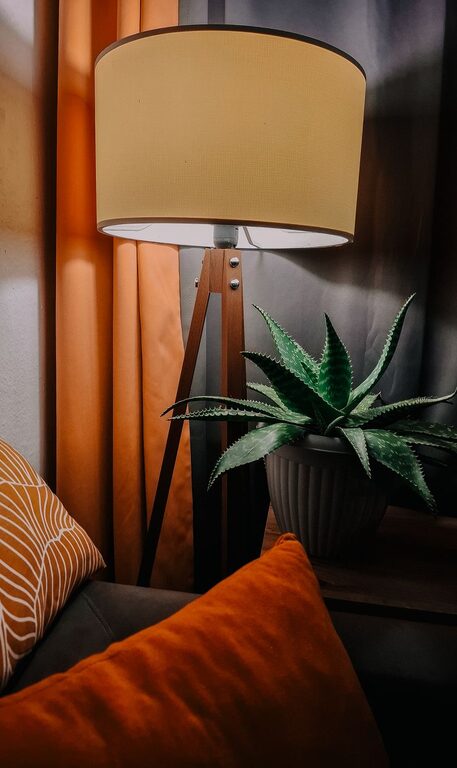
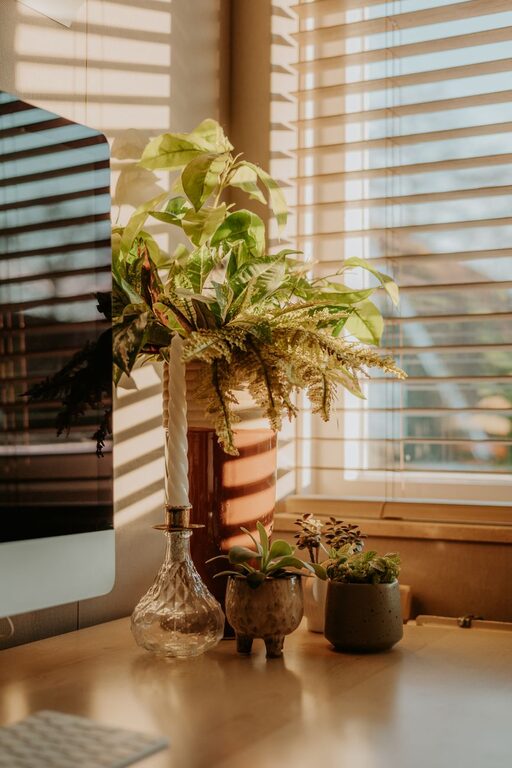
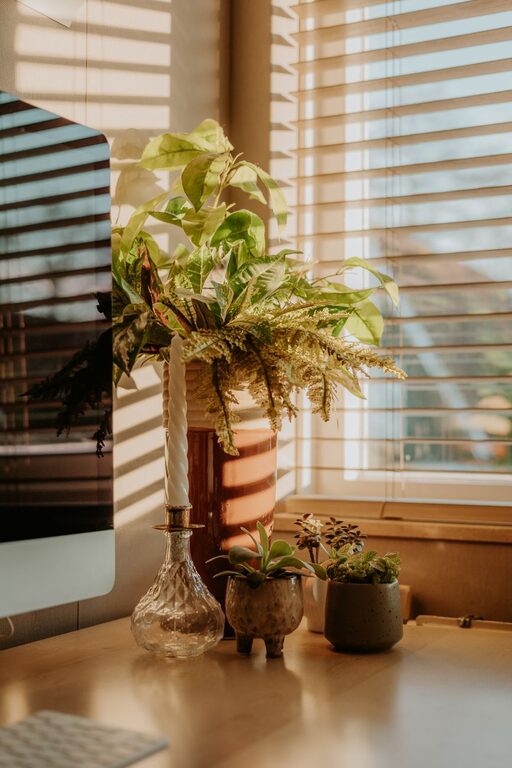
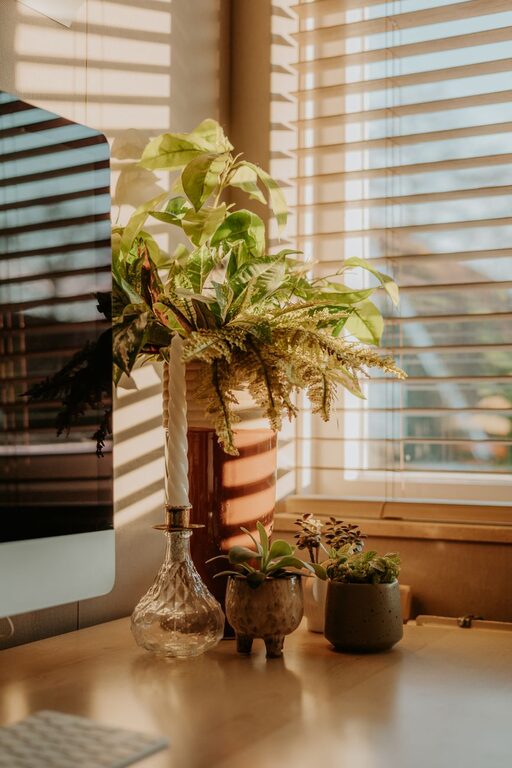
Including some plants, artwork, or photos can make your space inviting without causing distractions. Personalizing your environment can boost motivation.
Keep Your Workspace Organized
Declutter Regularly
A tidy desk helps keep your mind clear. Remove unnecessary papers, gadgets, or items that don’t serve your work purpose.
Use Storage Solutions
Drawers, shelves, or desk organizers keep supplies at hand but out of sight. Label your storage to find things quickly.
Manage Cables
Use cable clips or sleeves to keep cords neat and prevent tangling.
Establish a Work Routine
Define Work Hours
Set clear start and finish times to structure your day. This helps avoid overworking and maintains work-life balance.
Take Regular Breaks
Schedule short breaks to stretch, move, and rest your eyes. The Pomodoro Technique—25 minutes of focused work followed by a 5-minute break—is a popular method.
Stay Hydrated and Snack Wisely
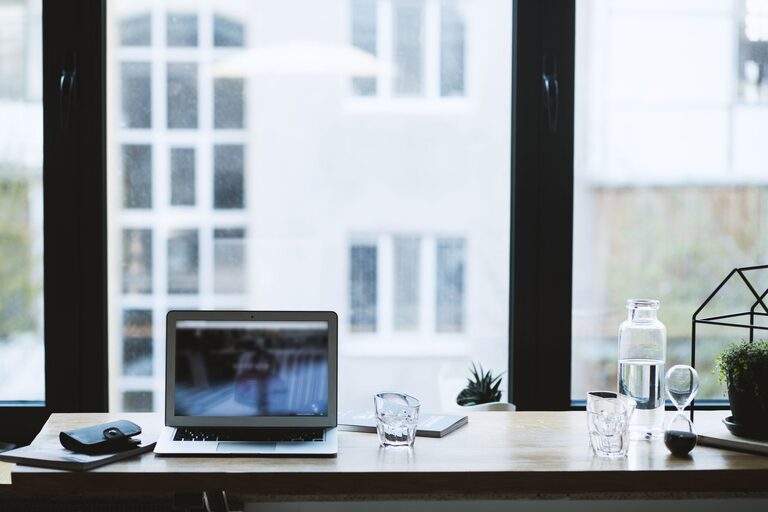
Keep water and healthy snacks nearby to maintain energy without disrupting your workflow.
Leverage Technology to Stay Focused
Use Productivity Apps
Tools like task managers, calendars, and focus timers can help track work and manage tasks efficiently.
Minimize Digital Distractions
Turn off non-essential notifications or use apps that block distracting websites during work hours.
Final Thoughts
Designing a productive home office is an investment in your work quality and well-being. By choosing the right location, prioritizing comfort, maintaining organization, and establishing healthy routines, you can create a space that supports focus and success. Remember, your workspace should reflect your unique needs so don’t hesitate to adjust these tips to fit your lifestyle.
With a little planning and effort, your home office can become a place where you feel motivated, focused, and comfortable every day.