






Tips for Creating a Relaxing Home Workspace to Boost Productivity and Comfort
Creating a relaxing home workspace is essential for maintaining productivity and comfort, especially in today’s world where more people are working remotely. Your workspace isn’t just a place to get work done; it’s a space that should inspire focus, creativity, and well-being. Here are some practical tips to help you design a home workspace that supports productivity while keeping it relaxing and enjoyable.
Choose the Right Location
Selecting the ideal spot for your workspace is the first step to creating a comfortable environment.
– Quiet and Away from Distractions: Choose a space that minimizes noise and interruptions. This could be a spare room or a corner away from busy household areas.
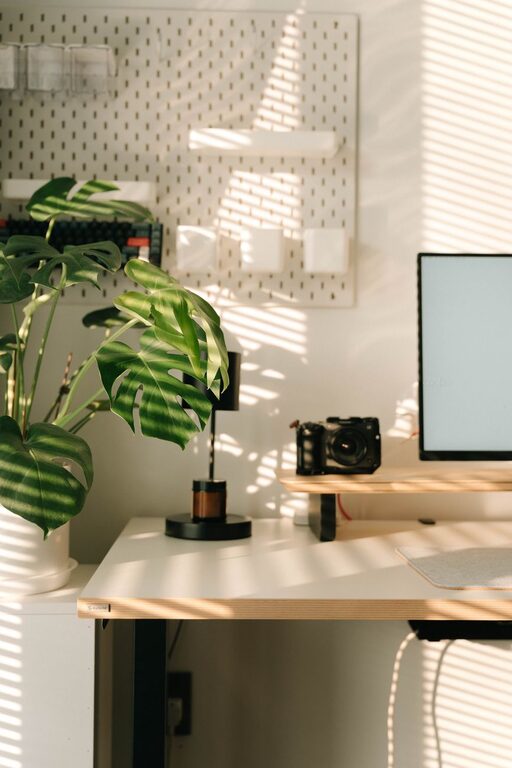
– Natural Light: If possible, set up near a window to enjoy natural light, which helps reduce eye strain and enhances mood.
– Privacy: Make sure your workspace allows for privacy during calls or focused work time.
Invest in Ergonomic Furniture
Comfort plays a significant role in how productive you feel.
– Quality Chair: Select an ergonomic chair that supports your back and encourages good posture.
– Desk Height: Ensure your desk allows you to work comfortably without straining your neck or wrists.
– Foot Support: Use a footrest if your feet do not rest flat on the floor to promote circulation.
Declutter and Organize
A clutter-free workspace reduces stress and improves focus.
– Regular Cleaning: Keep your desk tidy by clearing unnecessary items daily.
– Storage Solutions: Use shelves, drawers, or bins to store supplies and paperwork neatly.
– Minimalist Approach: Only keep essential tools in your workspace to avoid distractions.
Personalize Your Space
Adding personal touches can make your workspace feel inviting and relaxing.
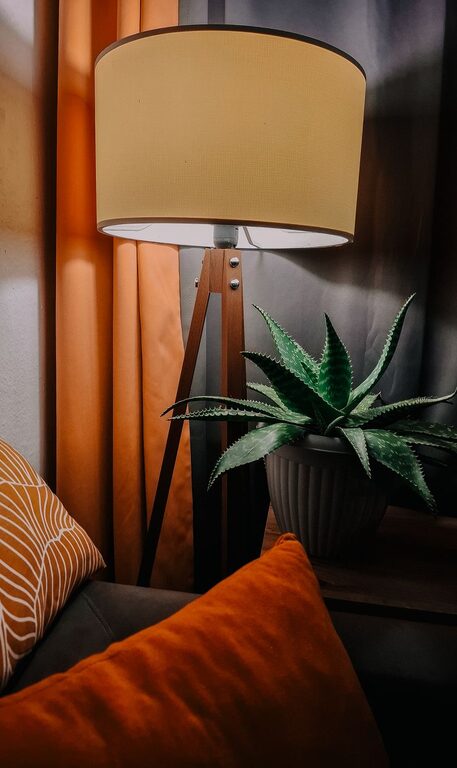
– Plants: Include a few low-maintenance indoor plants to bring a bit of nature inside.
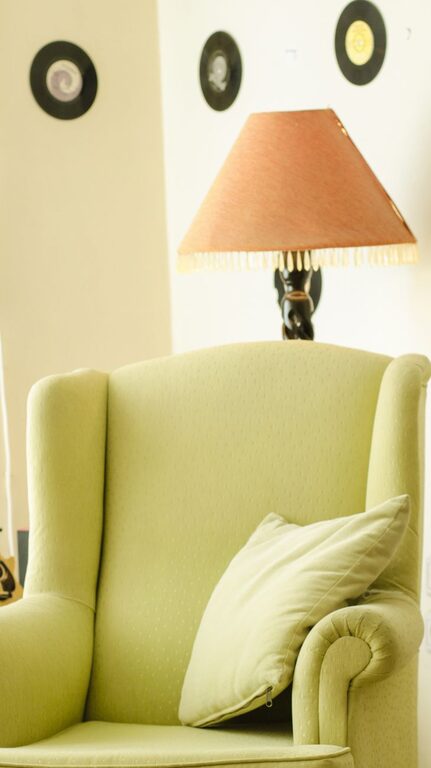
– Artwork or Photos: Hang artwork or photos that inspire you without overwhelming the area.
– Color Scheme: Use calming colors like soft blues, greens, or neutrals to promote relaxation.
Manage Lighting Carefully
Proper lighting helps reduce eyestrain and boosts energy levels.
– Layered Lighting: Combine natural light with task lighting like desk lamps.
– Adjustable Fixtures: Use adjustable lighting to control brightness based on your tasks.
– Avoid Glare: Position screens and lamps to minimize glare.
Use Sound to Your Advantage
Sound environment impacts concentration and well-being.
– White Noise or Music: Consider soft background music or white noise to drown out distractions.
– Noise-Cancelling Headphones: Useful if you work in a noisy household.
– Silence: Sometimes, simply quiet space works best for deep focus.
Incorporate Break Areas and Movement
Taking breaks and moving regularly maintains comfort and productivity.
– Stretching Space: Leave room for stretching or light exercises.
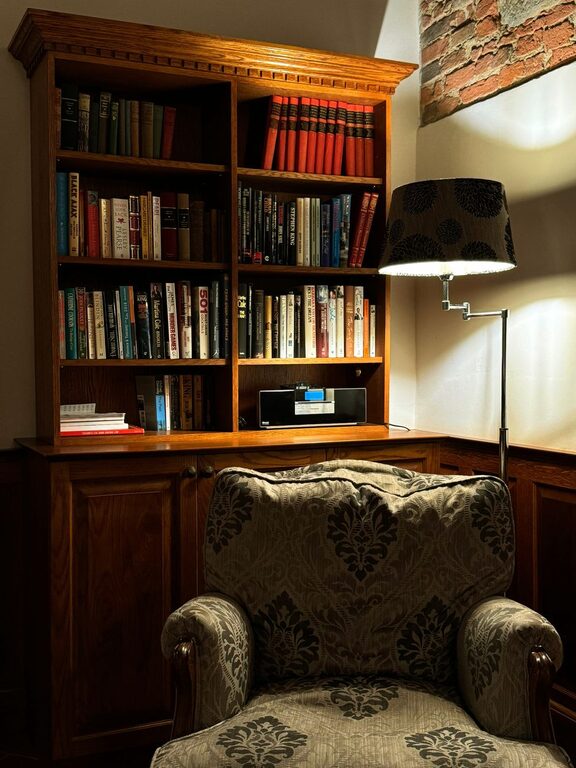
– Break Spots: Have a nearby comfy chair for breaks to disconnect from the desk momentarily.
– Standing Desk Option: Consider a sit-stand desk to change positions throughout the day.
Manage Technology Wisely
Technology can either support or hinder your workflow.
– Cable Management: Use cable organizers to keep cords tidy and reduce clutter.
– Ergonomic Accessories: Consider external keyboards, mice, or monitor stands to promote better posture.
– Reliable Equipment: Use dependable internet and devices to avoid frustration.
Set Boundaries
Separating work and home life enhances relaxation and productivity.
– Work Hours: Establish clear work hours to maintain routine.
– Physical Boundaries: Close the door or use room dividers to create a mental and physical separation.
– Family Communication: Inform household members about your workspace rules and schedule.
Keep Comfort Essentials Handy
Adding elements that support comfort makes a big difference.
– Water Bottle: Stay hydrated by keeping water within reach.
– Snack Station: Healthy snacks can keep energy levels up without frequent kitchen trips.
– Temperature Control: Use fans, heaters, or open windows to regulate temperature.
Refresh Regularly
A workspace should adapt to your changing needs.
– Seasonal Updates: Rotate decor or add new plants to keep the space fresh.
– Rearrange Layout: Experiment with furniture placement for better flow and inspiration.
– Declutter Periodically: Take time each month to reassess and reorganize.
—
Creating a relaxing and productive home workspace doesn’t have to be complicated or expensive. With thoughtful choices and simple habits, your workspace can become a place where you feel comfortable, focused, and motivated every day. Start small, personalize your environment, and enjoy the benefits of a well-designed home office.